Container gardening: A modern take on growing plants
Posted on 21/06/2025
Container Gardening: A Modern Take on Growing Plants
Container gardening has transformed the way we grow plants, making gardening accessible, versatile, and achievable for homeowners and urban dwellers alike. As more people move into apartments or homes with limited yard space, container gardening continues to evolve, offering a beautiful and practical solution for anyone longing to add a little green to their living space. Whether you're a beginner or an experienced gardener, container gardening offers the opportunity to cultivate flowers, vegetables, herbs, and even small trees with minimum fuss and maximum rewards.
Why Choose Container Gardening?
There are numerous reasons why this modern approach to plant cultivation has gained immense popularity.
- Space Efficiency: Container gardening allows people with limited or no garden space to enjoy the pleasures of growing plants.
- Flexibility: Planters and pots can be moved easily, helping you adjust for light, temperature, or aesthetic changes.
- Soil Control: With containers, you have complete command over soil quality, drainage, and fertilizer.
- Pest and Disease Management: Isolated environments help prevent the spread of soil-borne pests and diseases.
- Year-Round Gardening: Many types of container gardens can thrive indoors, extending your growing season throughout the year.
The Evolution of Container Gardening
While the idea of growing plants in pots dates back thousands of years, modern container gardening has seen a renaissance thanks to new materials, styles, and innovative growing techniques. Now, you can use everything from repurposed containers and creative vertical gardens to self-watering planters and hydroponic setups. Urban gardeners and those with outdoor spaces as small as a balcony are transforming their environments into lush, productive oases.
Types of Containers in Modern Gardening
The type of plant containers you choose plays a major role in your garden's success. Here's a breakdown of popular materials and their advantages for the modern home gardener:
- Ceramic and Clay Pots: Classic options that provide good airflow to roots. These offer an attractive appearance but can be heavy and may break in cold weather.
- Plastic Containers: Lightweight, affordable, and available in countless shapes, sizes, and colors. They retain moisture longer but may become brittle over time.
- Fabric Grow Bags: Highly trendy for their portability and breathability, promoting healthy root systems and easy storage when not in use.
- Metal Containers: Sleek and contemporary. Great for modern aesthetics but can heat up quickly under the sun, possibly harming delicate plant roots.
- Wooden Planters: Natural and stylish, wood planters are often used for larger arrangements or raised beds. Ensure they're treated to resist rot.
- Self-Watering Pots: These ingenious containers help maintain consistent moisture levels, ideal for busy gardeners or forgetful waterers.
What Can You Grow in a Container Garden?
One of the greatest advantages of container gardening is its versatility. From colorful flowers to lush vegetables and aromatic herbs, nearly any plant can thrive in a suitably sized pot or planter. Here are some popular choices:
- Herb gardens: Basil, mint, thyme, parsley, cilantro, and rosemary are easy to grow and perfect for windowsills or countertops.
- Vegetable plants: Tomatoes, peppers, lettuce, spinach, radishes, onions, and even dwarf carrots can do exceptionally well in containers.
- Fruits: Strawberries, blueberries, dwarf citrus trees, and figs can be cultivated in larger pots.
- Ornamental flowers: Petunias, geraniums, marigolds, pansies, and begonias add color and fragrance to any space.
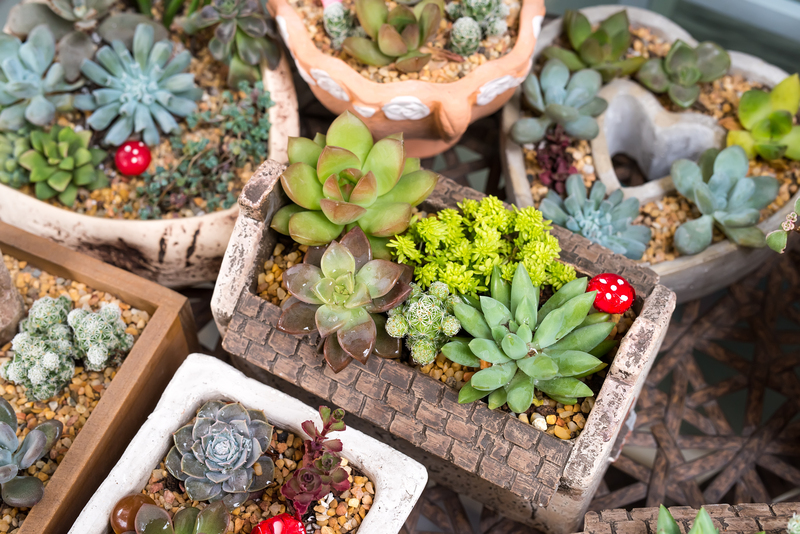
- Succulents and cacti: Perfect for those who want minimal maintenance but maximum visual impact.
Container Garden Design Ideas
Modern container gardening isn't just about utility - it's about style and creativity. You can mix and match planters of various shapes, colors, and heights for a dynamic aesthetic. Here are some design tips and trends:
- Vertical Gardens: Use wall planters, stacked pots, or specially designed vertical gardening kits to make the most of small spaces.
- Hanging Baskets: Suspend pots from ceilings, balconies, or trellises to add depth.
- Mixed Arrangements: Combine trailing, upright, and filler plants for layered, lush containers.
- Repurposed Items: Turn old buckets, barrels, teapots, or even shoes into quirky plant pots for a unique touch.
- Color Coordination: Coordinate plant and pot colors for maximum curb appeal.
- Edible Landscaping: Blend edible and ornamental plants for beauty and function.
Modern Container Garden Styles
- Minimalist: Clean lines, monochromatic pots, and few plant varieties.
- Bohemian: Bright colors, mixed textures, and lots of trailing greenery.
- Urban Chic: Industrial metal planters paired with green foliage.
- Eco-friendly: Upcycled or biodegradable containers, drought-tolerant plants, and self-watering systems.
Setting Up Your Container Garden
Ready to start? Here's a step-by-step guide to launching your flourishing container garden, no matter your space or experience.
1. Select the Right Container Size
Choose pots that provide plenty of space for your plants' roots to grow. Most edible vegetables require a minimum depth of 8-12 inches, but check labels for specific recommendations.
2. Choose the Right Soil Mix
Avoid using straight garden soil in containers; it's often too dense. Instead, use a high-quality potting mix designed for containers, sometimes mixed with compost or perlite for added nutrients and drainage.
3. Plan for Drainage
Drainage holes are essential to prevent waterlogging roots and causing rot. If your chosen planter doesn't have holes, add some yourself or use an inner plastic pot with drainage placed inside a decorative outer container.
4. Position Your Containers
Most vegetables and flowering plants need at least 6 hours of sunlight daily. Monitor your space to determine the sunniest spots, but remember that leafy greens and some herbs can tolerate partial shade. Containers can be shifted throughout the season to maximize sunlight exposure.
5. Select and Plant Your Chosen Greens
When arranging plants in a single container, group those with similar sun, soil, and water needs. Don't overcrowd - leave space for air circulation and plant growth.
6. Watering and Fertilizing
Container plants tend to dry out faster than those in the ground. Check daily, especially in warm months, and water until it flows from the drainage holes. Feed with a balanced liquid fertilizer every few weeks, or use slow-release granules as directed.
7. Pruning and Maintenance
Remove dead leaves and spent blossoms to encourage new growth. If plants become rootbound, consider repotting into a larger container.
Top Tips for Thriving Plants in Pots
- Rotate frequently: Ensure even growth by rotating your pots every few days, especially where sunlight is uneven.
- Mulch the surface: Add a layer of mulch or decorative stones to maintain soil moisture and reduce evaporation.
- Group containers: Place pots close together to create microclimates, helping plants retain humidity and offering a stunning visual impact.
- Choose the right plants: Opt for compact or dwarf varieties specially bred for container gardening.
- Clean containers each season: Prevent disease accumulation by scrubbing pots with soap and water between uses.
Seasonal Container Gardening: Year-Round Joy
Container gardening isn't limited to spring and summer. With some planning, you can grow and enjoy plants all year round!
- Spring: Start cool-weather veggies like lettuce and peas. Plant spring bulbs in containers for early color.
- Summer: Fill pots with vibrant annuals such as petunias and marigolds, plus summer vegetables like tomatoes and peppers.
- Autumn: Add ornamental kale, chrysanthemums, and fall-flowering asters. Consider planting garlic or overwintering onions.
- Winter: Bring containers indoors to grow herbs or houseplants. Outdoor winter pots can feature evergreens, twigs, and decorative berries.
Overcoming Common Container Gardening Challenges
While growing plants in pots is largely straightforward, beginners occasionally encounter obstacles. Here's how to handle typical issues:
- Poor Drainage: Make sure all pots have drainage holes. Consider adding a thin layer of gravel at the base for extra drainage.
- Pests: Inspect plants regularly. Use organic pest control methods like neem oil or insecticidal soap if issues arise.
- Root-bound plants: If roots circle the inside of the pot, it's time to repot into a larger container.
- Overwatering or underwatering: Check soil moisture before watering, and ensure pots aren't sitting in excess water.
- Nutrient deficiencies: Use a balanced, slow-release fertilizer tailored to your plant type every 4-6 weeks during the growing season.
Eco-Friendly and Sustainable Container Gardening
Modern gardeners are increasingly mindful of environmental impact. Here are ways you can practice sustainable container gardening:
- Use biodegradable pots: Choose materials like coconut coir, peat, or compressed paper for starting plants or seasonal arrangements.
- Recycle and upcycle: Repurpose materials like tin cans, old boots, or wooden crates as quirky planters.
- Collect rainwater: Use rain barrels for eco-friendly irrigation of your potted plants.
- Compost: Add homemade compost to your potting mix to enrich the soil and reduce food waste.
Container Gardening for Small Spaces
Living in a compact apartment, condo, or townhouse? Container gardening is the answer! Even the smallest spaces--a balcony, windowsill, or doorstep--can become a verdant haven with a little imagination.
- Utilize vertical space: Stack pots, hang baskets, or install wall-mounted planters to create green walls.
- Grow miniature vegetables and herbs: Try dwarf or bush varieties that produce full-sized yields in small spaces.
- Wheel it around: Mount larger containers on trays with wheels for easy rearrangement and sunlight chasing.
The Therapeutic Benefits of Container Gardening
Engaging in container gardening isn't just about beautifying your home; it's a proven boost for mental and emotional well-being.
- Reduces stress and improves mood through interaction with nature.
- Provides a creative outlet and a sense of accomplishment.
- Encourages fresh air, physical activity, and mindfulness.
- Offers fresh herbs and vegetables, inspiring healthier eating habits.
Conclusion: The Future of Gardening Is in Your Hands
As cities grow and space becomes more constrained, container gardening is more relevant than ever. It's a new era for growing plants--one that favors versatility, accessibility, and innovation. Whether you aim to cultivate your own herbs for cooking, brighten a balcony with blooms, or simply reconnect with nature, gardening in containers opens the door to endless possibilities for everyone.
Start small, be creative, and embrace the joys of container gardening. With just a handful of pots and the right care, you can cultivate a thriving, modern garden--wherever you are.
Latest Posts
Grow Your Privacy with These 9 Fast-Growing Hedges
The Ultimate Guide to Herb Garden Mastery
Elevate Your Outdoor Experience With Stunning Garden Seating

Drawing upon her extensive experience in gardening, Cathy writes articles on diverse gardening and landscaping topics. Through her work, she has helped many people appreciate the beauty of garden designs.